
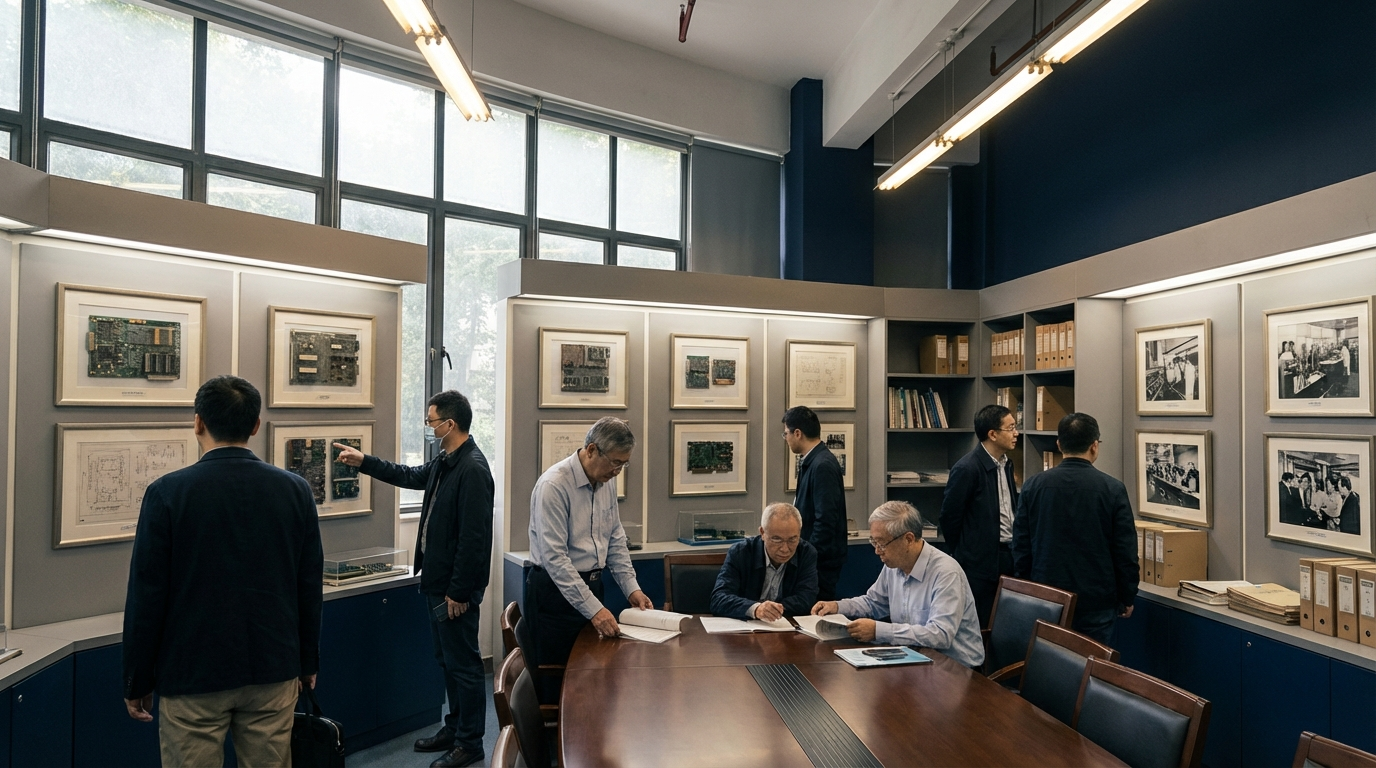
Our Editorial Mission
This platform serves as a legacy archive and B2B editorial resource. Its sole purpose is to organize and preserve the historical context surrounding the International IC Conference and Exhibition (IIC Expo) and subsequent embedded systems and semiconductor tradeshows in China. The archive is maintained as an independent reference — not as a promotional vehicle, not as a booking platform, and not as a current-events publication.
We believe that a record of what was discussed, exhibited, and debated at these conferences has lasting value. Supply chain decisions made in exhibition halls in Shenzhen and Shanghai during the 2000s and 2010s continue to shape the structure of the global electronics industry today. Preserving that institutional knowledge is the core purpose of this archive.

Editorial Principles
Content published on this archive is guided by a consistent set of editorial principles. We do not publish speculative forward-looking claims about current events. We do not manufacture or invent historical data. Where specific facts are uncertain, the archive notes the limitation rather than filling in gaps with invention.
Our editorial tone is designed to be neutral, institutional, and informative — consistent with the standards expected of an industry documentation resource rather than a commercial marketing platform. Readers should expect structured historical context, topical analysis, and archival references rather than promotional narratives.
The Historical Role of IIC Expo
During a critical growth period of global electronics scaling, the IIC Expo provided one of the most vital offline connection points for fabless semiconductor companies, IC designers, and electronic manufacturing services (EMS) operating inside China. It served as a bridge between international chipmakers seeking access to Shenzhen's massive manufacturing hubs and local engineers eager to learn about new MCU architectures, EDA tools, and IC innovations.
The events spanned major technology corridors — from Beijing and Shanghai to Shenzhen and Chengdu — reflecting the regional specializations of China's own emerging tech industry. Each city brought a distinct industrial profile: Shenzhen's speed and hardware density, Shanghai's IC design concentration, Beijing's research and policy orientation, and Chengdu's role as a growing embedded systems hub serving inland industry.
Unlike online platforms that now distribute technical content globally in real time, the conference floor of a legacy trade show created a density of expertise and decision-making authority that could not be replicated digitally. Application engineers, procurement managers, foundry representatives, and startup founders all occupied the same physical space — and the relationships formed there shaped supplier agreements and technology adoptions that lasted years.
Why Archiving Matters
The internet often loses its historical memory of offline B2B events. Press releases expire. Domain registrations lapse. Event microsites disappear. The institutional knowledge embedded in those conference catalogs, session agendas, and exhibitor directories rarely makes it into the permanent public record.
By indexing these topics — ranging from component shortages of past decades to the rise of domestic IC design — this archive ensures that researchers, engineers, and supply chain analysts can reference the specific ecosystems that built today's electronics infrastructure. It provides a stable, editorially maintained reference that serves both historical curiosity and professional research.